
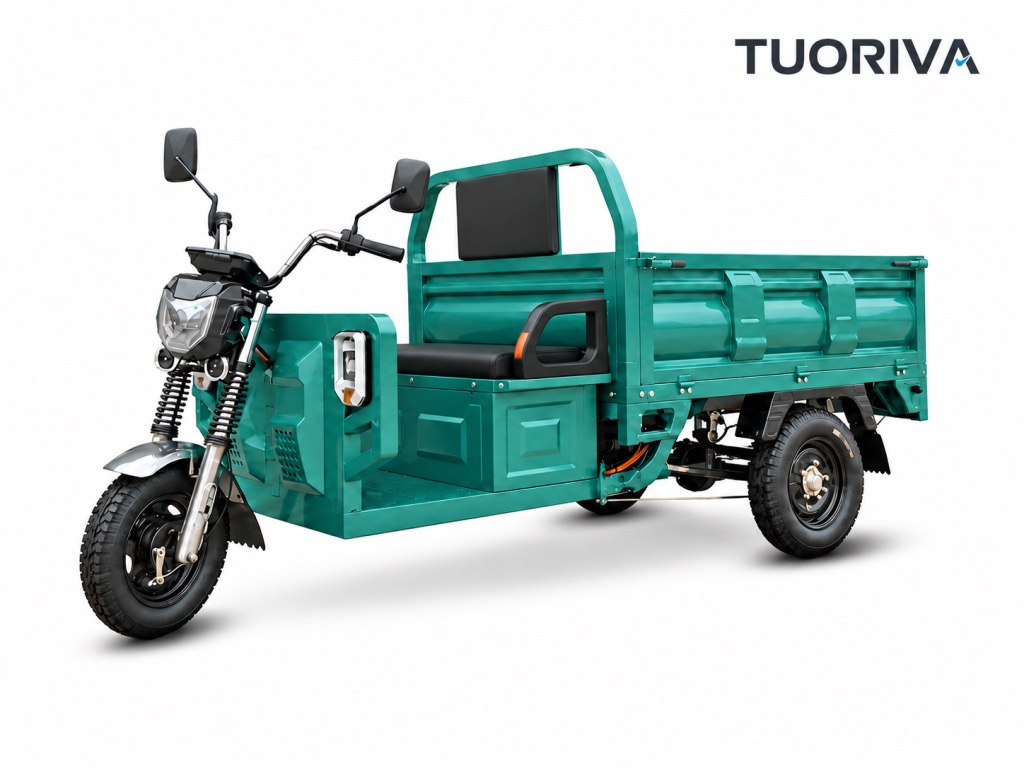
Start with one working day
A useful vehicle enquiry starts with the work, rather than a motor rating. Record the distance travelled during a typical shift, the number of stops, road gradients and where the vehicle can recharge. Describe the route surface, narrow entrances and turning space. A short route with frequent loading can require a different configuration from a longer route carrying the same goods.
Describe the load precisely
List the heaviest normal load and the size of the largest items. Include packaging, tools and any fixed equipment. Confirm whether the quoted load limit includes the driver and passengers. Compare internal cargo dimensions, bed height, opening sides and the method used to load or unload. A cargo box that is large enough by volume may still have an opening too narrow for the goods.
Electric Bajaj, tuk-tuk or electric three-wheeler?
Ethiopian listings sometimes use “electric Bajaj” when buyers are looking for an electric three-wheeler. Check the actual make and model in each listing. A passenger tuk-tuk has a seating layout for carrying people. An electric cargo tricycle has a bed or box for goods. For bulk enquiries, compare seating or cargo dimensions, the battery and charger included, spare-parts support and the destination before comparing quotes.
Compare cargo and passenger configurations
- C04-01 cargo tricycle — 800 W geared motor and a 1,500 × 1,050 × 420 mm bed. Compare the bed opening with your widest loaded item.
- C04-02 cargo tricycle — 1,000 W geared motor and a 1,600 × 1,150 × 420 mm bed. Check that the larger bed suits loading bays and route access.
- P01-01 passenger tricycle — compact passenger configuration with a 3,000 W motor. Ask for a seating and boarding layout for the quoted configuration.
- P01-02 passenger tricycle — 4,000 W AC motor with seating for a driver and three passengers. Confirm passenger requirements before choosing the model.
To compare more configurations, see the C04 cargo bed and motor options, explore the P01 passenger tricycle range, or browse all electric three-wheeler series.
For a route in Ethiopia, give the supplier the destination city, typical gradients, road surface and charging location. Confirm the electrical supply at that location with the installation team and check local registration requirements with your importer before ordering.
Review the complete configuration
Ask for a written specification covering the motor, controller, battery, brakes, suspension, tyres and rear axle. Confirm which specifications belong to the selected SKU and which are optional. Do not assume that a higher-power version uses the same chassis or has the same approved carrying capacity. Requirements for road use and registration should be checked for the destination market.
Before choosing a battery, check pack voltage, charger compatibility and the installation location. The battery and charger compatibility checklist lists what to confirm with your supplier.
Plan parts and a sample check
Before a bulk order, agree on a spare-parts list and identify who will maintain the vehicles. Request the relevant parts identification and service information. Use a sample on a representative route to review loading, handling, braking, charging arrangements and access to routine service points. Document the test conditions rather than treating a short demonstration as proof of daily performance.
What to include in your enquiry
- Destination and route surface
- Daily distance and charging opportunity
- Normal load, maximum load and cargo dimensions
- Preferred cargo body and unloading method
- Quantity, assembly preference and spare-parts needs
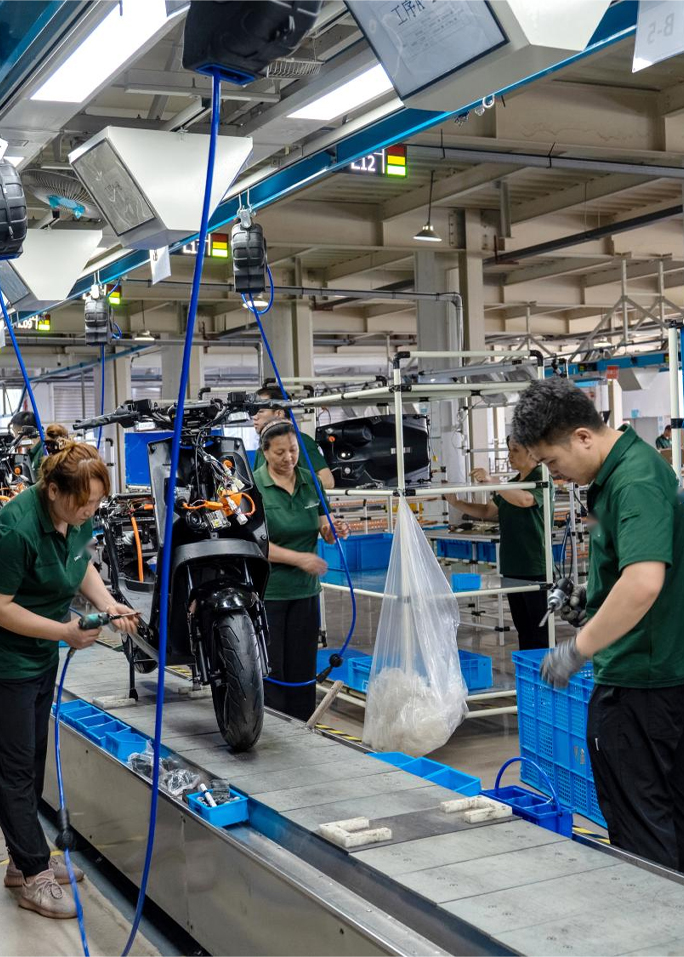
For a shipment quotation, confirm the destination, quantity and assembly format first. The CBU, SKD and CKD shipping guide explains what to compare, including package dimensions and assembly scope. For a look at the factory process, see manufacturing and testing support.
Explore electric tricycles. Send your project requirements to TUORIVA.