
Agree on the assembly condition
CBU usually refers to a complete built-up vehicle, while SKD and CKD describe different levels of disassembly. The exact parts supplied and work required can vary between suppliers and models. Request photographs, a packing list and an assembly scope for the specific quotation rather than relying on the abbreviation alone.
- CBU (complete built-up). Confirm what is installed and what needs to be fitted or checked after unpacking.
- SKD (semi-knocked-down). Ask which assemblies are packed separately and what tools and inspection steps the receiving team needs.
- CKD (completely knocked-down). Request the full parts list and assembly instructions. Confirm how your team will identify parts, assemble the first unit and check the finished vehicle.
Assess the receiving operation
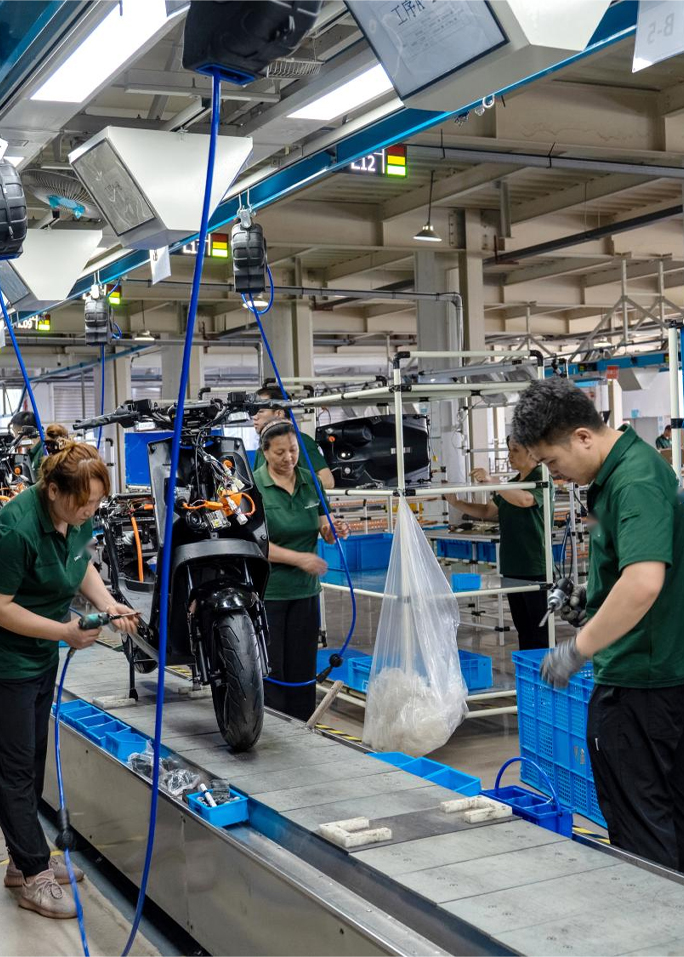
Confirm the assembly tools, staff skills, working space, instructions and inspection steps available at the destination. Identify which components arrive assembled and which need fitting or adjustment. Review how the first batch will be commissioned and supported. A denser container load can create additional destination work that must be included in the comparison.
Use a model-specific loading plan
Ask for packed dimensions, package counts, gross weights and a written container loading plan for the selected configuration. Batteries, accessories, protective frames and spare parts may change the shipment. Do not apply a loading quantity from one SKU to another without confirmation. Treat any catalogue loading quantity as something to check against the final order.
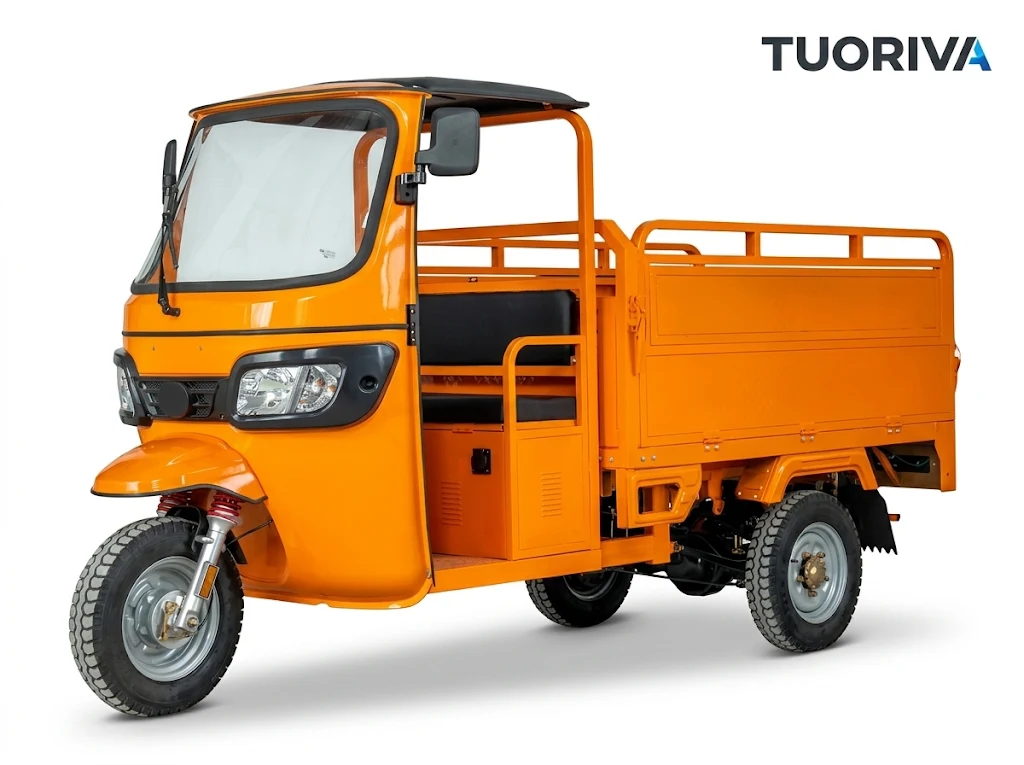
For example, the TUORIVA C04-01 cargo tricycle lists a cargo bed of 1,500 × 1,050 × 420 mm. That measurement tells you about the load bed. To compare two container quotations for this model, request the outer dimensions and gross weight of each packed unit, then check the proposed arrangement against the actual container's interior and door opening.
Compare the same delivery scope
List what each quotation includes: vehicle configuration, batteries and chargers, packing, loading, freight, destination handling and any local assembly work. Confirm trade terms, required shipping documents, insurance responsibility and destination clearance with the appropriate logistics partners. Battery transport and local entry requirements need separate confirmation for the actual shipment. No single freight figure establishes the complete landed cost.
What to include in your enquiry
- Exact SKU and assembly condition
- Detailed packing and parts list
- Battery and charger inclusion
- Written loading plan for the order
- Destination assembly capability and agreed delivery scope
Confirm whether batteries are packed separately and whether the quote includes matching chargers. For a replacement or alternate pack, see the battery pack compatibility checklist.
Explore the tricycle range. Send your project requirements to TUORIVA.