
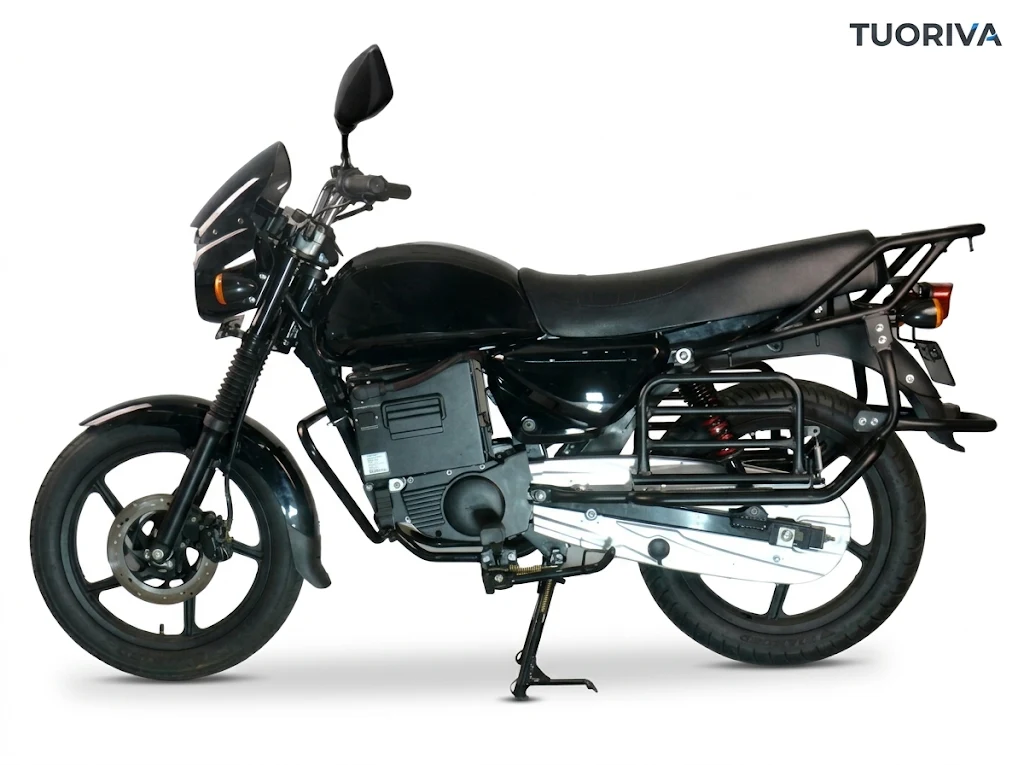
Separate power from stored energy
Motor power and battery energy describe different parts of the vehicle. A motor power figure is not a range figure. Ask whether a power value is rated or peak power, how long any peak output can be sustained and which controller and battery configuration was used. Compare vehicles using consistent definitions, not the largest number in a brochure.
Read the battery configuration
Request nominal voltage and capacity for the exact pack being supplied. Nominal voltage multiplied by ampere-hours gives nominal watt-hours; dividing by 1,000 expresses that value in kilowatt-hours. For example, a nominal 72 V, 50 Ah pack has 3.6 kWh of nominal energy. This is an illustration, not a TUORIVA model specification, and it is not a promise of usable energy or travel distance.
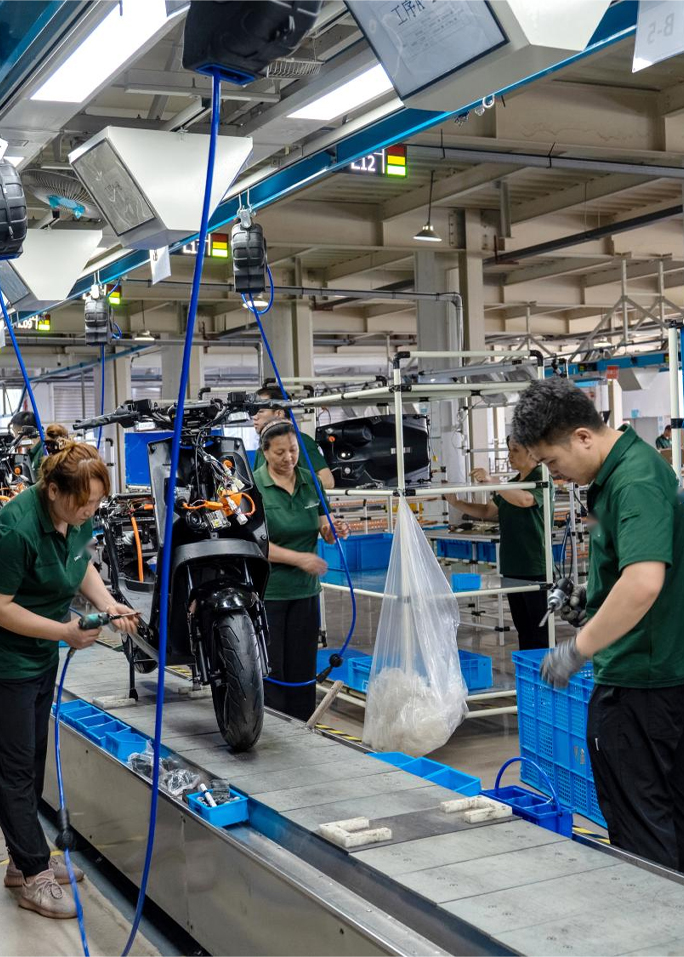
Ask how the range was measured
Request test speed, rider and cargo load, route gradient, surface, ambient temperature and starting and ending battery conditions. Confirm whether the result is a laboratory figure or a road test. Range claims measured under different conditions are not directly comparable. Plan a sample evaluation around the intended commercial or commuting route.
Check the practical details
Compare wheel and tyre specifications, braking configuration, riding position, passenger needs and availability of replacement parts. Confirm the supplied charger, local electrical supply requirements and how a removable battery will be handled. Discuss vehicle eligibility and registration with the relevant local parties before ordering for public-road use.
What to include in your enquiry
- Rated and peak motor power definitions
- Exact battery voltage and capacity
- Documented range test conditions
- Route, load and operating schedule
- Charger, spare parts and destination requirements
Explore electric motorcycles. Send your project requirements to TUORIVA.