
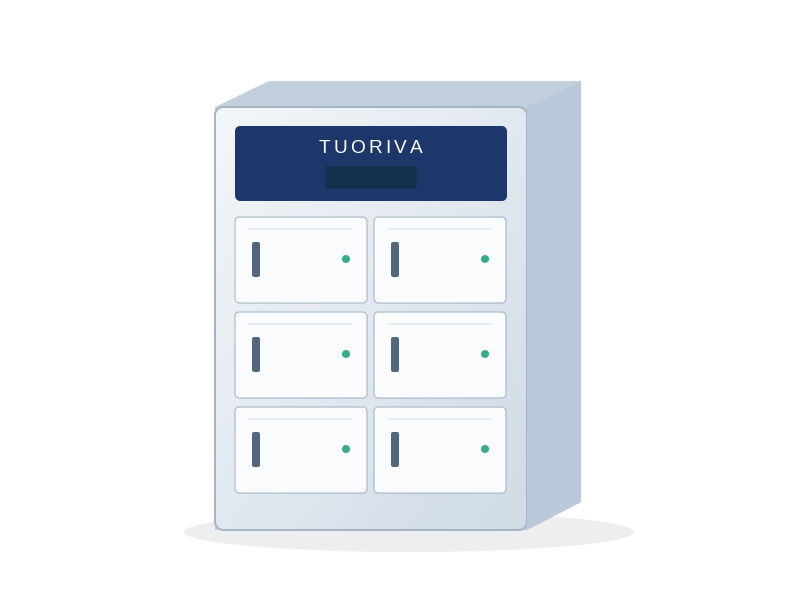
Begin with the operating schedule
Record how many vehicles operate at once, shift length, daily distance, idle periods and where the vehicles return. Plug-in charging may fit a fleet with predictable overnight parking. Swapping may be worth evaluating where vehicles need rapid battery replacement during operating hours. The answer depends on the route, equipment and service model rather than one universally better approach.
Define who owns and manages the batteries
A swapping proposal should explain battery ownership, access rules, charging responsibility and how battery condition is managed. Clarify whether the buyer is purchasing equipment, using a service subscription or building an independently operated network. Compare the actual commercial terms, including maintenance and replacement obligations.
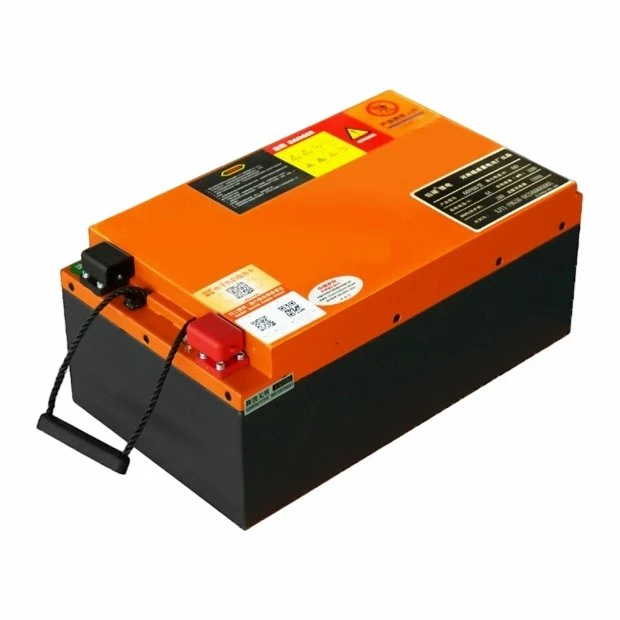
Check the whole system
Confirm compatible vehicles, pack form factor, electrical requirements, communication, locks and the swapping equipment as a system. A removable battery is not automatically suitable for a swapping cabinet. Site planning should also cover electrical supply, location, environmental conditions, user access, monitoring and support. Installation and operating requirements need a project-specific review.
Run a measured pilot
Start with a defined vehicle group and representative shifts. Track availability, charging or swap queues, staff workload, energy use, battery availability and service interruptions. Agree on the pilot duration and success criteria before scaling. Savings, uptime and service speed should be established from the proposed system and operating data, not assumed from another brand’s announcement.
What to include in your enquiry
- Fleet size and shift pattern
- Vehicle and battery compatibility
- Site supply and installation conditions
- Battery ownership and service responsibilities
- Pilot measurements and expansion criteria
Discuss battery swapping systems. Send your project requirements to TUORIVA.